Community Engagement
Community members hold a wide range of perspectives about the future of this site, including differing views about development, memorialization, and stewardship. This website is intended to document the ongoing process rather than suggest that all questions or concerns have been resolved.
Because this burial ground is a municipal cemetery dating from the 1790s to 1807 and lacking death records, individual lineal descendants cannot be clearly identified. For that reason, no single group can fully represent all those connected to the site.
The College of Charleston is therefore committed to a broad and inclusive engagement process that brings together multiple perspectives.
At the same time, the project remains under the authority of the College’s Board of Trustees and administration. Community engagement is intended to inform and shape key decisions, even as final responsibility rests with the institution.
The history of the American South includes well-documented injustices in how people, especially those who were enslaved or marginalized, were treated in life and death.
For that reason, the project uses a tiered engagement framework.
A. Communities of Origin
- African American communities connected to enslaved people who died upon arrival in Charleston, enslaved people who worked in Charleston, and free Black people who lived in Charleston.
- People of European descent connected to immigrants, sailors, and individuals who died in institutions such as the Poor House, City Hospital, and Orphan House.
- Tribal Nations historically connected to this region
- This includes Federal and State recognized, as well as local Tribes.
- Federally recognized Tribes will be engaged as sovereign governments if Native American human remains or associated cultural items are identified in circumstances covered by the Native American Graves Protection and Repatriation Act (NAGPRA).
- These communities will be engaged via Community Engagement Council membership, Community Outreach Forums, and smaller focused Listening Sessions for targeted communities.


B. Collective descendant Communities and Communities of Care
- Charleston residents
- Diasporic and historically connected communities
Members of these communities participate in the Community Engagement Council, Community Outreach Forums, and smaller focused Listening Sessions for targeted communities.
________________
C. General Public
The primary mode of communication with the public is via the Coming Street Commons website. All are welcome to attend CEC meetings Community Outreach Forums, and subscribe to updates about the project.
A) Community Engagement Council
About the CEC
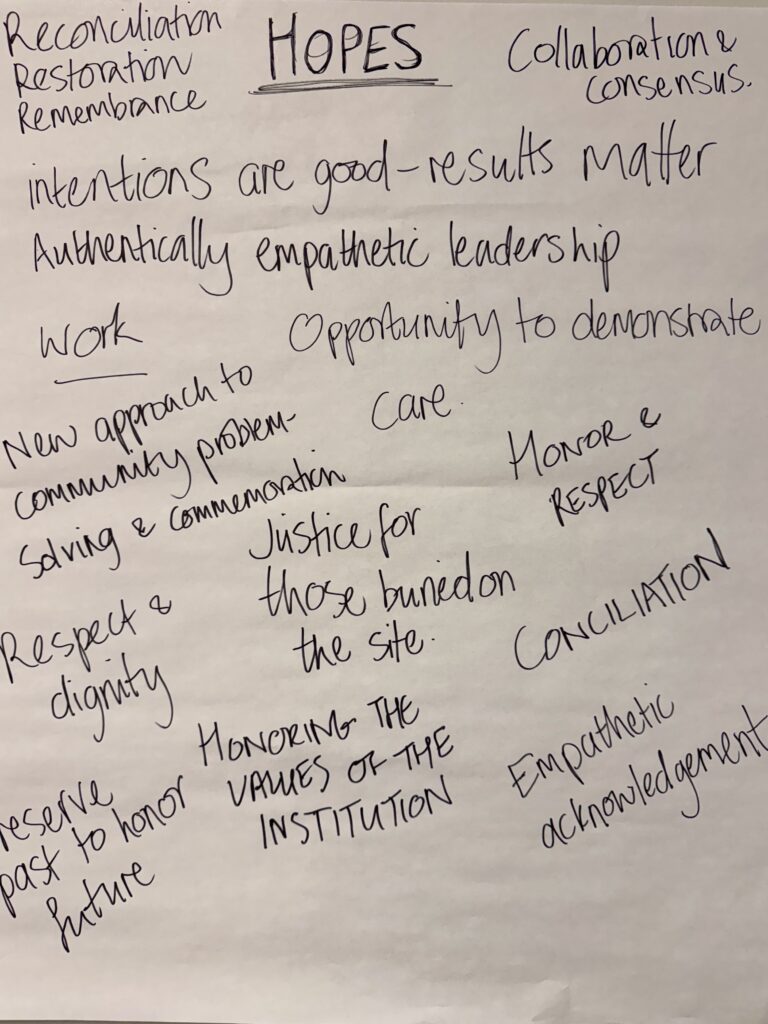
The Community Engagement Council (CEC) is an advisory group created to guide the College through this project in their solemn responsibility to communicate and interact effectively with the community, ensuring that community perspectives inform the College of Charleston’s decision-making process.
The Council includes individuals with a range of relationships to the site, members of communities of origin, collective descendant communities, communities of care, and subject-matter experts.
Scope of the CEC
The Community Engagement Council plays a central role in advising the College’s efforts to honor and memorialize both the former municipal burial ground and the former YWCA. Specifically, the CEC provides recommendations on:
- Archaeological Stewardship
- Reinterment of Ancestors
- Memorialization and interpretation
While the CEC plays an important role in shaping discussion and recommendations, it does not make final decisions, and it does not represent all perspectives connected to the site.
The CEC:
- Does not replace engagement with broader communities of origin, collective descendant communities, or Tribal consultation.
B) Tribal Outreach
The framework incorporates Tribal outreach and NAGPRA-aligned protocols for respectful handling of Native American remains if located.
C) Community Outreach Forums and Charrettes
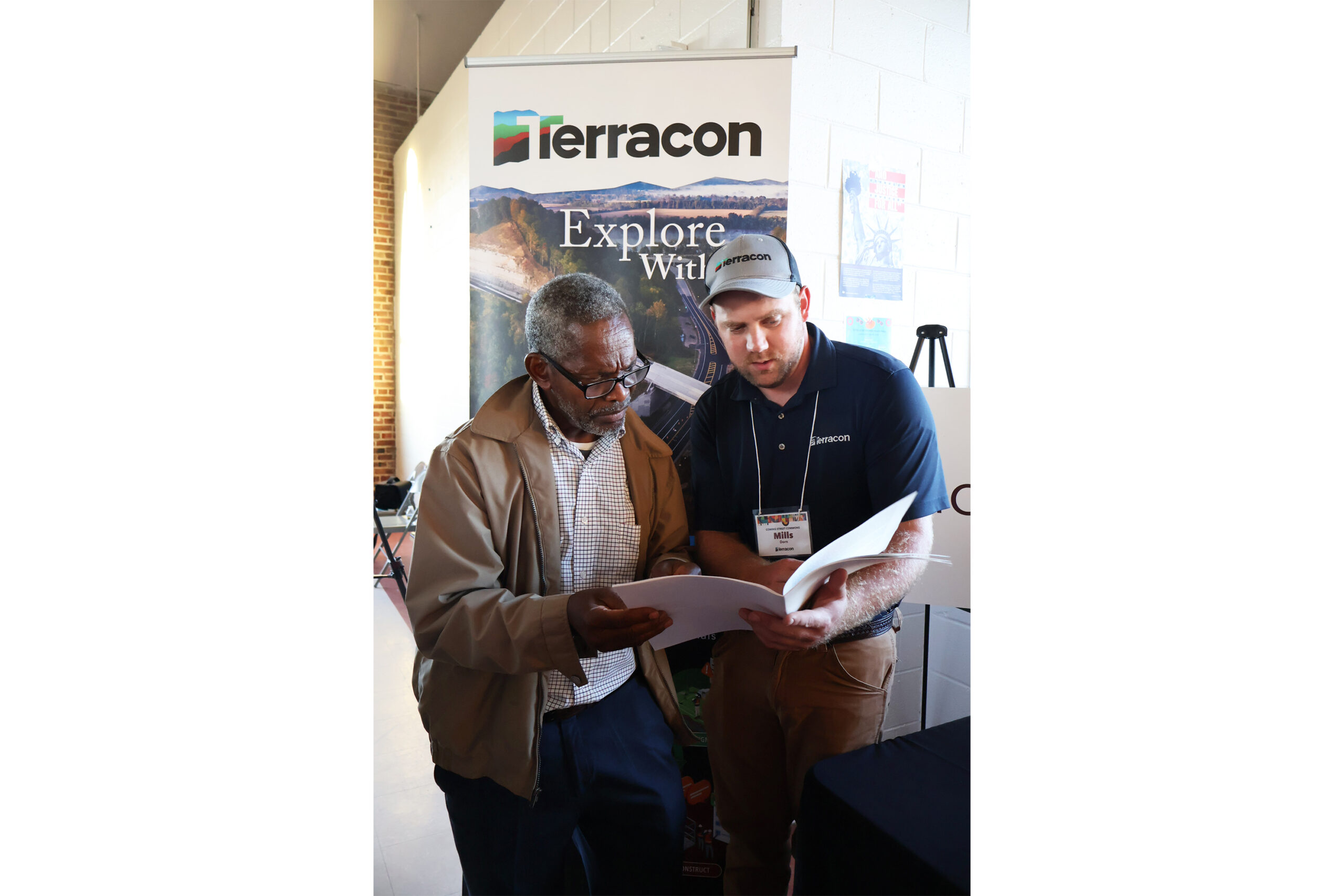
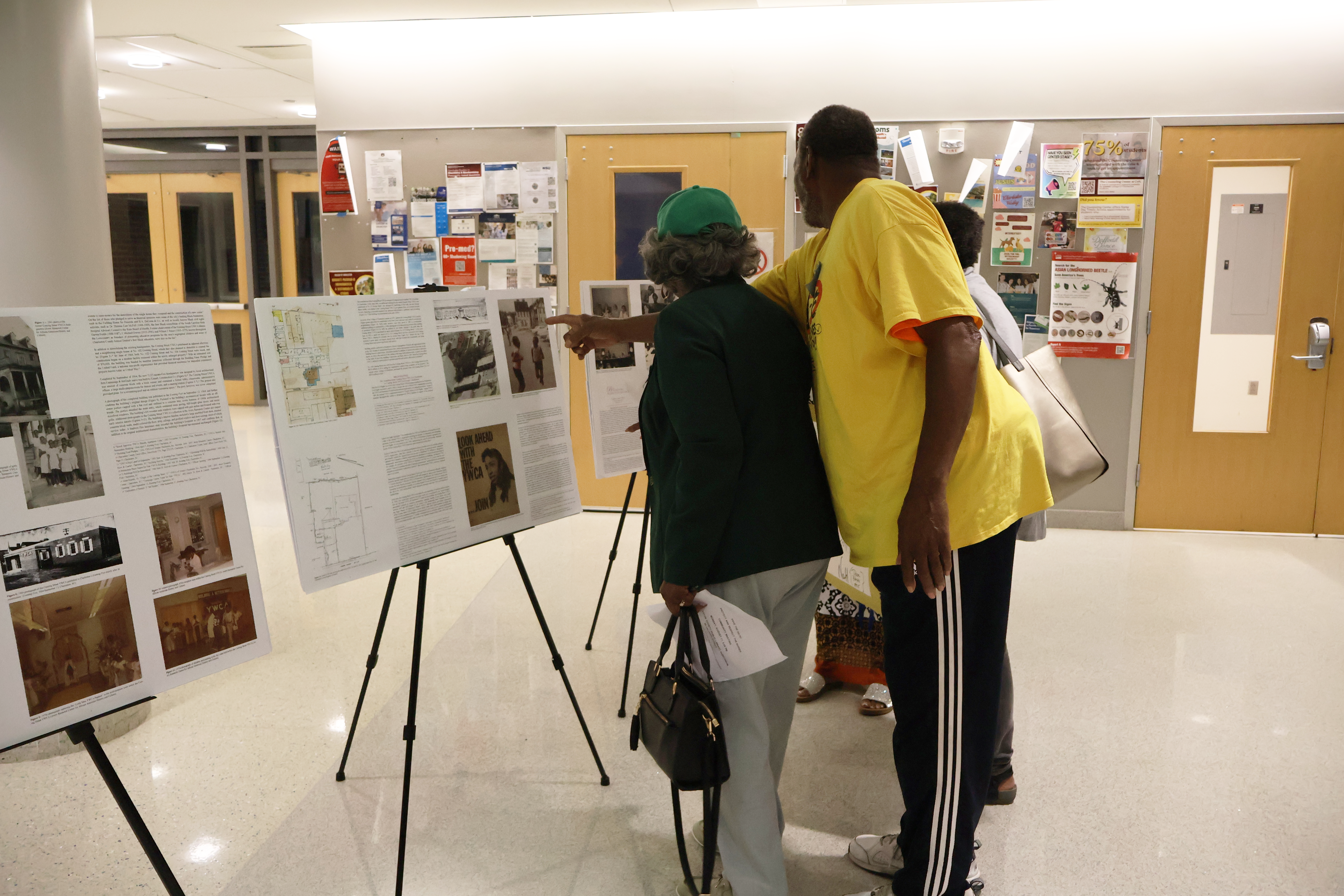
These forums are intended to share updates and gather input. They will be hosted and publicly noticed by the College, aligned with major benchmark pauses and SHPO-defined work stops, and structured to provide updates and listen to feedback.
Consultants and College staff will present project status, updates, and findings, while creating space for the CEC or facilitators to present ongoing conversations and developing recommendations.
These forums are designed to provide broader community and descendant-community input, without establishing a separate descendant advisory body.
D) Focused Listening Sessions
Smaller listening sessions may be organized as needed throughout the project to ensure that decision-makers are meeting with specific stakeholders to hear their perspectives, these groups may include:
- Students
- Neighborhood residents
- Black community organizations
- Faith leaders
- And other stakeholder groups as needed
E) Student Engagement
During the academic year 2025-26 students have been engaged with the Coming Street Commons project in the following ways:
- Center for Historic Landscapes/Archaeology Program Discussion (Sept ’25) – organized by professor Jim Newhard with invited panelists (Paul Patrick, Chief of Staff, Courtney Howard, Vice President for Community Engagement, Anna-Catherine Alexander (Preservation Society of Charleston), Omar Muhammad (Protect and Respect the Bodies), and Joanna Gilmore (Anson Street African Burial Ground Project)
- Urban Design Studio (Spring ’26) – students are developing residence hall design ideas with professor Liz Stanton.
- Architecture of Memory course (Spring ’26) – students proposed memorial designs.
- First Year Experience: Hidden Histories: Unveiling the untold Stories of CofC (March ’26) – students discussed the historically diverse demographics of the campus neighborhood with professors Mary Jo Fairchild, Scott Peeples, and Elena Rodrigez, and invited guests Anna-Catherine Alexander, Brittany Lavelle Tulla (proprietor and lead architectural historian of BVL Historic Preservation Research) and Joanna Gilmore.
- Anthropology senior thesis with professor Allison Foley (2025-26) – the student is exploring the bioarchaeology of structural violence at the municipal cemetery.