Cultural Preservation:
Cultural Preservation at Coming Street Commons Residence Hall
The Coming Street Commons Residence Hall project will include the careful documentation and data recovery of incredibly important cultural resources in order to prepare the site for the residence hall redevelopment.
The project will be approached in two phases:
Phase One:
Former YWCA Building
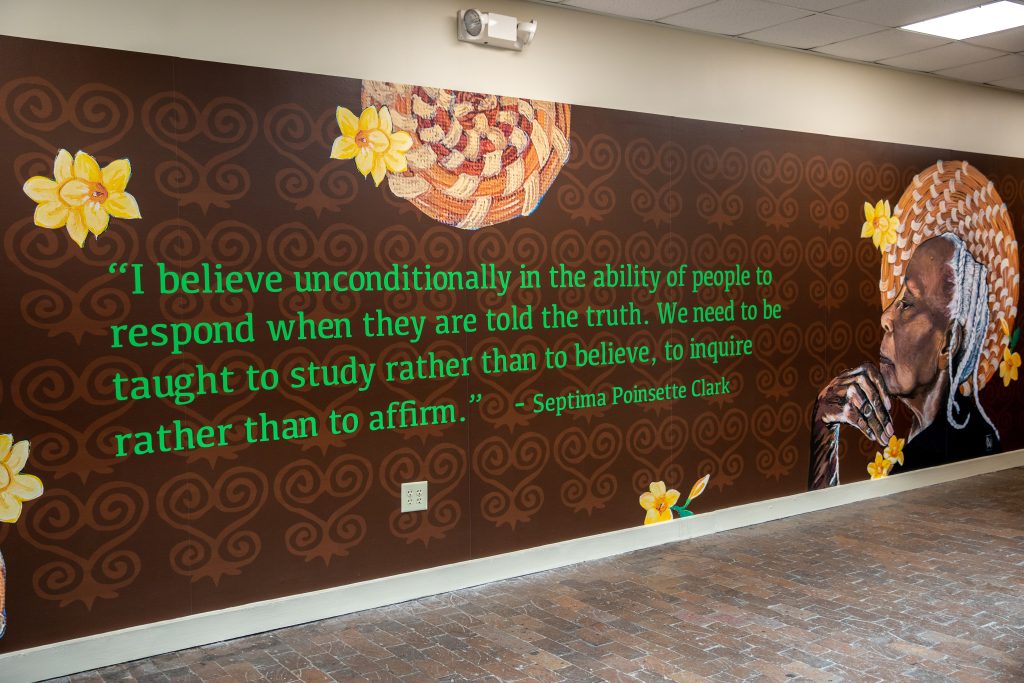
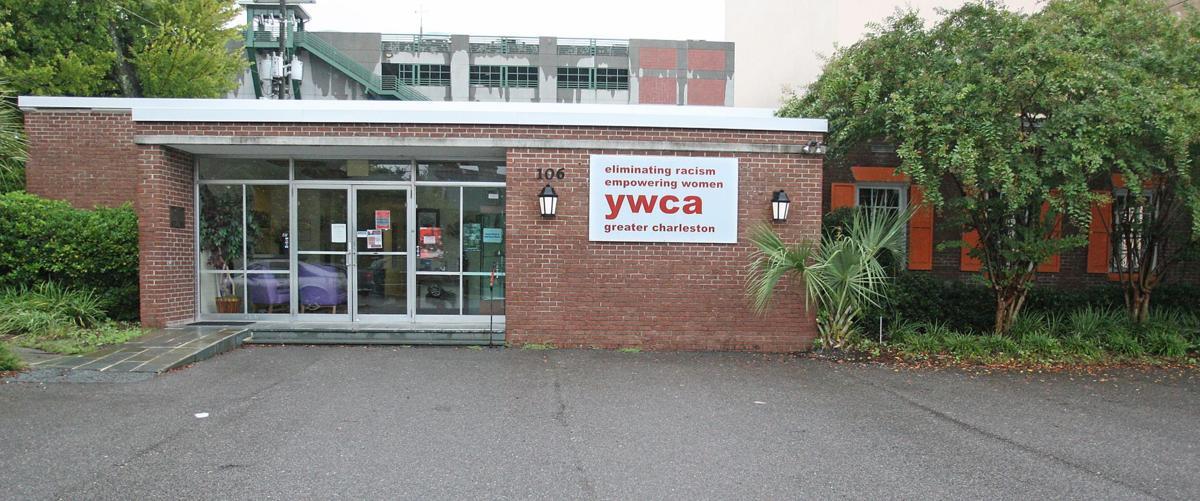
First is the former YWCA building. This mid-century office building was the former headquarters of the Charleston YWCA. This YWCA chapter was critically important to the Civil Rights Movement, not just in Charleston, but nationally through the incredible work of women like Septima Clark and Christine Jackson.
Thorough documentation of the existing building, salvage of plaques and significant architectural material, historical research, and community engagement are all part of the recognition and documentation of the YWCA as part of the Coming Street Commons project.
View the Coming Street YWCA Historic Report by BVL HPR here.


Images from the Lowcountry Digital Library and the Avery Research Center for African American History and Culture.
Phase Two:
Former Municipal Cemetery
The second cultural resource on site is a former municipal cemetery that underlays the existing buildings. This cemetery was opened for burials at the end of the 18th century and was filled after only 13 years in operation. The cemetery occupies nearly the entire Western half of the city block bounded by Calhoun, Coming, and Vanderhorst streets. A comprehensive Geophysical and Archaeological assessment and data recovery will take place to document not just the burials on site but also any later historic archaeological resources on site within the boundaries of the Coming Street Commons project.
View the Public Burial Ground Report by BVL HPR here.
Additional sources to reference include The Forgotten Dead: Charleston’s Public Cemeteries, 1794–2021 by Nic Butler, Ph.D. and the Historic Research and Geophysical Assessment Report on 106 Coming Street and 99 St. Philip Street by S&ME, Inc.
Ground-penetrating radar survey report
A second ground-penetrating radar (GPR) survey was conducted at 106 Coming Street on Feb. 14, 2026. This comes after an initial GPR survey in 2024.
The GPR survey report has been redacted per No. 6 of the permit conditions of the South Carolina Bureau of Coastal Management, which says: Locational data of human remains will be redacted from all reports until the completion of the project and sensitive information (including photographs of skeletal remains) will not be made publicly available through reports, technical memorandums, or excavation updates.
The GPR survey maps changes in the upper several feet of soil. These range from hard structures, such as brick foundations, brick-lined wells, and cisterns to much subtler excavations that, in an urban setting such as this, can represent grave shafts, shallow pits, borrow areas, privies or other disturbances.
Archaeologists would need to excavate to verify any subsoil disturbance.
A third round of ground-penetrating radar will be conducted by the College’s contracted cultural resource management firm.